
Scribbling On the Walls
Where women write: stories of place and making

Deep Rivers
My desk is tucked into a corner of my bedroom. The dark blue walls are a collage of photos, postcards, artwork, and stickers. A drawing of the lunar phases. A card from my friend’s trip. A poster of Louisa May Alcott. My husband’s drawing of a butterfly. A photo of my son, age two. The built-in bookshelf is full of women’s history books, mostly of women writers. Two shelves are all Alcott, of course.
“I love this spot,” my sister said the last time she was here. “It’s so you.”
We moved to this house almost two years ago. In our previous house, I had a whole room with a window that looked out over our garden and a stand of magnificent pine trees that sounded like ocean waves when the wind blew through.
I didn’t write there all the time, of course. Many of my memories of the old house are intertwined with images of writing haikus in the backyard or a journal entry on the couch. I wrote the first essays of a podcast on Alcott in the spring and summer of the pandemic at the kitchen table in the plum-light sunrise hour before my three-year-old woke up or late at night at my desk in the living room. I spent almost an entire Mother’s Day on our three-season porch curled on a chair crafting an entire episode while rain tapped on the windows. Despite mothering a small child, I published several articles from 2018-2023 and launched a podcast with my writing partner. It wasn’t easy, but the words were always there, flowing around me, as if I was standing in a river.
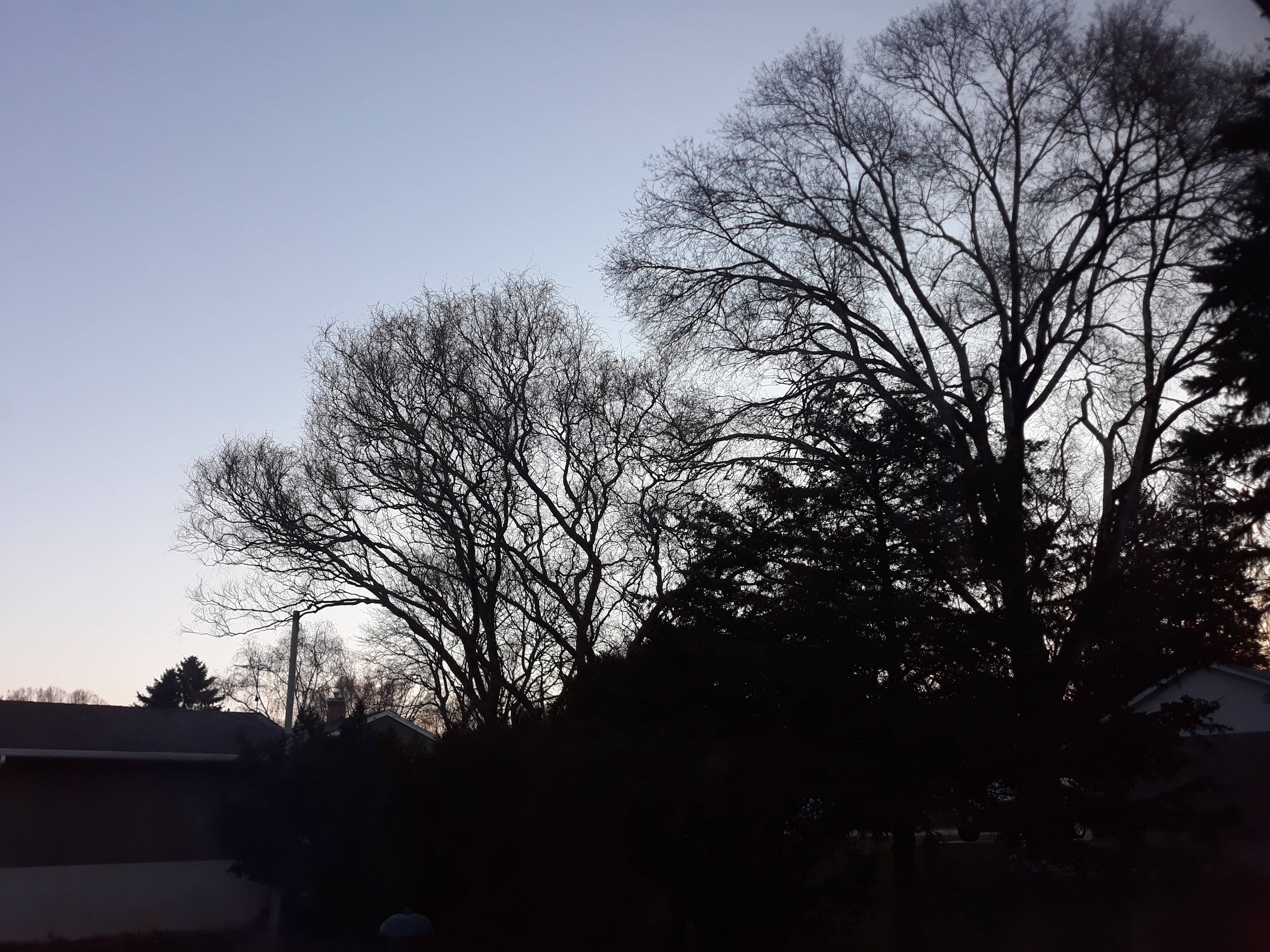
During the last year of our time there, this changed, as the house became unsafe for my family. I am grateful for this new and safer space, but along the way, the river dried up. I type at this desk and carry my notebooks around the house, digging and digging into the earth, hoping to find water. As I do, I’ve been thinking about how physical place intertwines with creativity. My mind naturally turns to other women writers. Where they wrote and created. Where they found space. Where they made do.
I think of Virginia Woolf arguing that for genius to flourish, one must be allowed space and time to cultivate it. I think of Jane Austen writing on her lap desk in her parlor. I think of Toni Morrison booking a room in a hotel so she could write without distraction. I think of Irish writer and poet Doireann Ní Ghríofa, writing her lyrical work of genius A Ghost In the Throat in the parking lot after dropping off her daughter at school or Barbara Kingsolver writing in her closet while her husband was sleeping. I think of writers who don’t have the money or privilege to go on writing retreats or residencies to devote time to their creative ideas. I think of my creative dry spell and turn over the questions: Where have my favorite writers written? Where have they found inspiration? Where did they experience trauma? What roles have safety, community, support, and environment played for women writers throughout history? What are their stories of place and making?
If I explore their writing spaces, both the physical and the interior, maybe I will find my way to my own deep river again.
Louisa and Anne
Teaching was one of Louisa May Alcott’s least favorite jobs and in 1862, she was back in Boston, teaching a kindergarten and writing stories on the side. In her journal, she opined, “Often longed for a crust in a garret with freedom and a pen.” While Alcott’s house in Concord, MA is famous as the place where she wrote Little Women, it is not the only place Alcott lived and wrote during her lifetime. As a child, the family moved about thirty times from Georgetown, Pennsylvania to New Hampshire to various addresses in Boston. She lived in urban places and rural places, in homes where she had her own room to the crowded slums of Boston. Yet even after the family settled in Orchard House, Alcott recognized that without her own space, she could not do the work she was called to do. She craved space and time to descend into a “vortex,” but she cared for her aging parents and suffered from ill health. When possible, she left Orchard House, renting rooms in Boston for weeks or months at a time to write, before returning to her family and other responsibilities. This frustrating tension between desire and duty is palpable in Alcott’s personal writings. By necessity and not by choice, Alcott was a nomadic writer, one who wrote where she alighted.
I’ve recently begun reading about Anne Spencer, a poet of the Harlem Renaissance who was also a passionate gardener. Her home and gardens are open as a house museum in Lynchburg, Virginia. The furnishings are almost all original to the family and show the writer’s eclectic, colorful, creative style. The gardens too, developed by Anne and her husband over many years, are like living poems, where words and plants twin each other. “Earth, I thank you/for the pleasure of your language…” reads one of her poems. The house too was a literal creative canvas; many of Anne’s poems are scribbled right on the walls. Envisioning this space of words and walls, I can imagine how the space becomes entwined with the making, becoming an act of creation in itself.
Shadow Selves
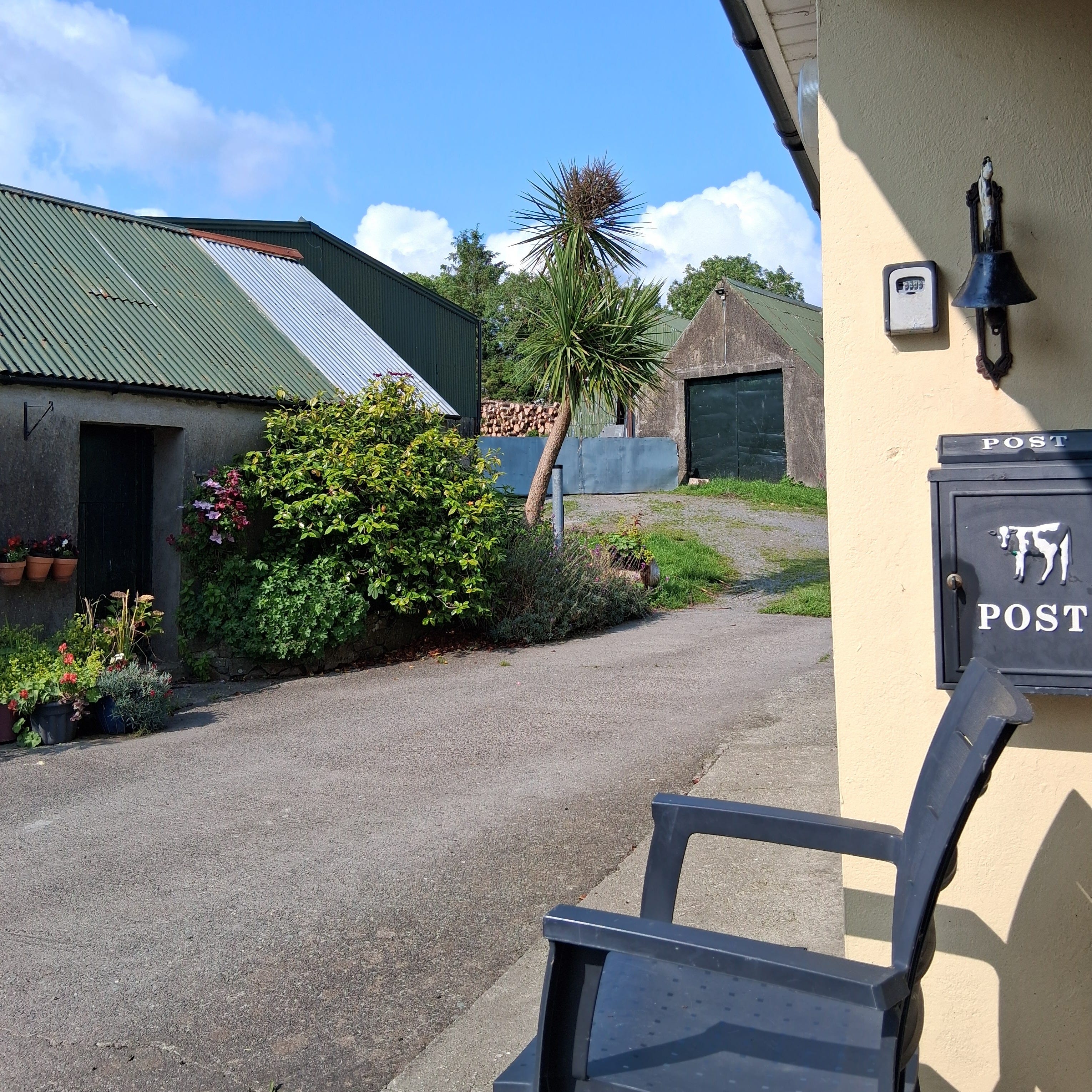
Last summer, a year after moving, my family and I went back to Ireland for vacation. We stayed on the dairy farm where we’d been six years previously, before our move, before the pandemic. It hadn’t changed at all. As my son played in the living room of the house and ran around the farmyard, I realized I could see his smaller self, that little three-year-old shadow, playing alongside him. Being in a place that held my memories felt like coming home to myself. I started writing constantly, composing poetry as we walked the fields or pouring thoughts and images into my notebook as I sat on the porch in the early mornings and afternoons. It kept coming, a stream flooding into a river of words.
There are places I can’t go back to and places that wait for me to find them. The pine trees and porch and kitchen table are shadows now, but I see their faint outlines still, scribbled on the walls of my mind. Maybe someday that will be enough.
Thank you for reading! At the end of this month, I will be turning on paid subscriptions for Good, Strong Words. Since I only post about once a month on Substack, I will not have paywalls on my writing, but subscribers will receive periodic personalized snail mail. For the readers who have already pledged subscriptions, your support and belief in my writing is appreciated more than you know. I am beyond grateful. If you have pledged, that will go into effect starting May 1st. Thank you again!
What a beautiful and inspiring post!!
Jill, you will always find your words. No doubt.